
4th June 2025
by Rehab Directory

Min read
What Happens in Rehab? Our Step-by-Step Guide to Addiction Treatment
If you’re wondering about what happens in rehab, the difference between inpatient and outpatient rehab, and how rehab can benefit addiction treatment, you’ve come to the right place. Whether you or someone you know is considering addiction treatment, understanding the rehabilitation process can help you make informed decisions and set clear expectations.

What Is Rehab?
Rehab, or rehabilitation, typically consists of a structured programme designed to help individuals cease their reliance on drugs or alcohol and begin a healthy and sustainable life.
Each rehab centre has its approach, with most offering a blend of medical care, counselling and psychotherapy, and life skills training. Treatment can be delivered in inpatient (residential) or outpatient (at home) settings, depending on the needs of the individual and the severity of the addiction.
Rehab is more than just stopping substance use, it focuses on helping individuals stabilise their physical and mental health, prioritise their wellbeing, and rebuild their confidence and self-worth.
What Happens In a Rehab Centre?
While programmes can vary depending on the addiction in question, the length of time someone has been ‘addicted’, and environmental factors, the process tends to focus on the same three stages.
The Three Stages of Rehab for Addiction Treatment
Stage One of Rehab Treatment: Detox
Detox (or detoxification) is the first stage of rehab an individual struggling with addiction will go through. Detox involves completely eliminating the harmful substance from the body, whether this be through a medically-assisted detox programme, or complementary lifestyle changes.
Alcohol rehab, for example, typically involves refraining from consuming any alcohol for approximately 9 days, detoxing the body and bloodstream completely. Whereas something like detoxing from cocaine may be achieved in around 3 – 4 days, while some users may experience detox symptoms for up to four weeks.
Stage Two of Rehab Treatment: Addressing the Triggers
Arguably the most important stage of rehab treatment, beyond stopping using the substance, is understanding the why. Addressing the psychological triggers of why an individual has turned to drugs or alcohol as a way to cope is important. Underlying psychological triggers can include:
- Mental health conditions like depression and anxiety
- Stress and trauma from life changing events or issues during childhood development
- Toxic relationships or environments that influence negative behaviour
- Negative beliefs and thought patterns about oneself
For example, an individual with anxiety may abuse cannabis as a way to detach and cope and calm themselves. Or someone with confidence issues may drink alcohol to release their inhibitions, under the assumption it’s a long-term fix. Regardless of the reasoning, abusing any substance can be detrimental and addiction can completely ruin someone’s life.
Stage Three of Rehab Treatment: Building Foundations to Prevent Relapse
Rehab is about empowering the individual to take back control through a supportive and highly compassionate process. Rehab doesn’t end after detox, and staying sober requires a good working knowledge of life skills to help individuals cope with life’s challenges. Rehab programmes include workshops and stimulating activities designed to build:
- Healthy Communication: like conflict resolution, boundary setting, and navigating societal pressures
- Employment or Education: some programmes support clients in re-entering the workforce or attaining education after rehab
- Financial Responsibility: helping individuals with money management, budgeting, and how to efficiently deal with debt
- Time Management: learning how to plan their days without relying on substance abuse to fill gaps or escape moments of boredom
- Routine and Structure: to help build stability and discipline
By learning these fundamental life skills, individuals struggling with addiction can learn to reintegrate with society confidently, reducing the risk of relapse.
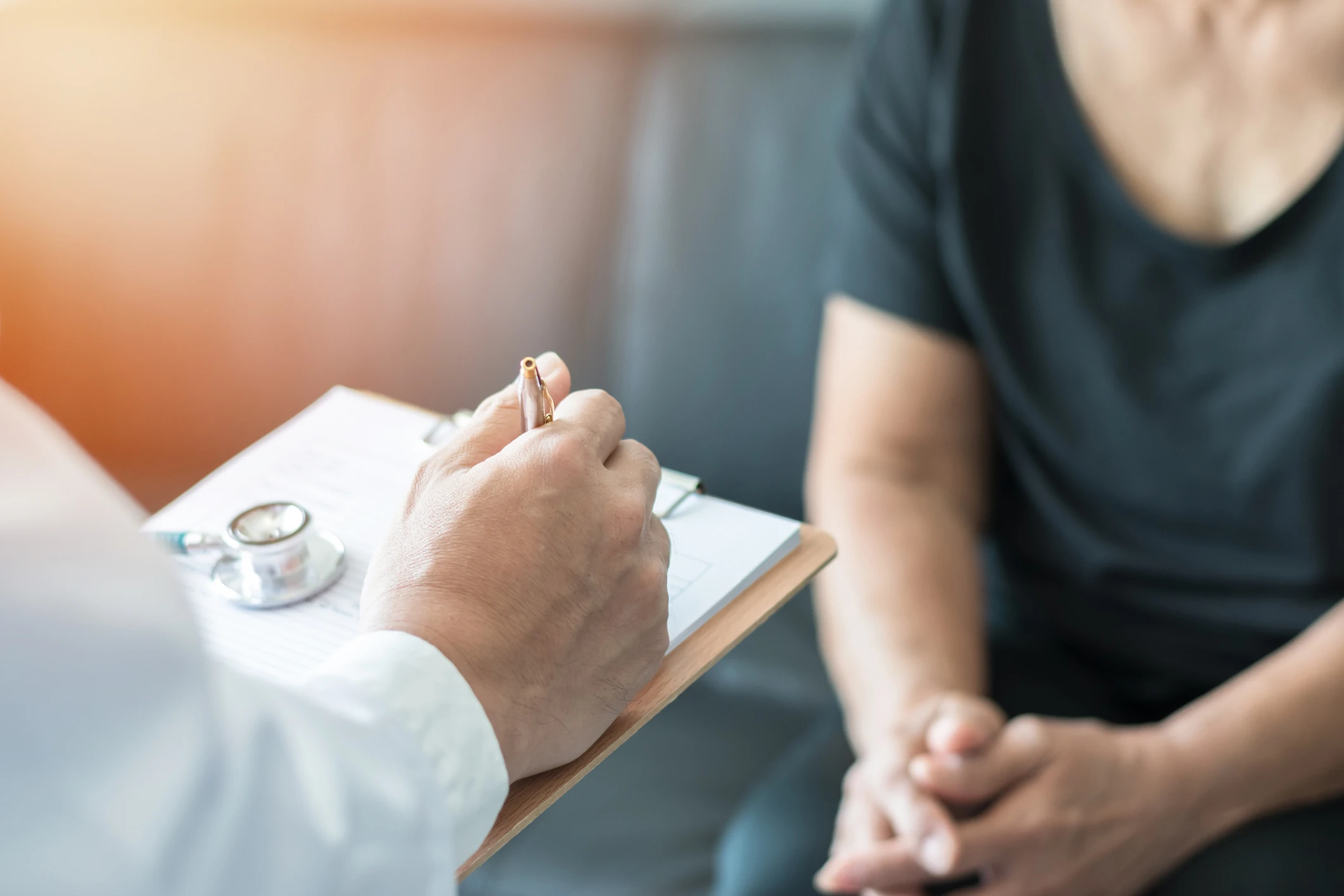
What’s the Difference Between Inpatient Rehab and Outpatient Rehab?
As we mentioned before, there are two types of rehab for addiction treatment: inpatient rehab and outpatient rehab.
Inpatient Rehab Treatment
Inpatient rehab, or residential rehab, is provided in a highly structured environment where individuals can completely focus on their recovery without the influence of daily triggers and distractions. Inpatient rehabs can often facilitate a medically-assisted detox (if needed), provide a mental health assessment, and offer a range of support from nutrition to coping mechanisms.
Clients in an inpatient rehab programme often follow a personalised schedule that aims to prioritise their physical, mental, and emotional wellbeing. Inpatient rehab treatment is usually recommended for those struggling with long-term addiction or co-existing mental health conditions that make it difficult to benefit from outpatient treatment.
Outpatient Rehab Treatment
Outpatient rehab treatment, on the other hand, offers a more flexible approach to treatment and is appropriate for individuals who require the support but wish to maintain their daily responsibilities like work or family commitments.
Unlike inpatient rehab, individuals don’t stay away from home at a rehab facility. Instead, they attend scheduled sessions several times a week/month, making it an ideal treatment option for those with mild substance abuse issues or strong support networks.
Outpatient rehab treatment allows individuals to apply what they learn during rehab to real-world situations in real time, while still benefiting from professional support.
Benefits of Rehab for Addiction Treatment
Rehab treatment offers a safe and supportive environment where real, lifelong change can begin. Some of the key benefits of starting a professional rehab treatment programme include:
- Safe Detoxing, often under medical supervision
- Peer Encouragement, through group therapies with individuals you can relate to
- Skills for Maintaining Sobriety, like emotional regulation and healthy communication
- Ongoing Aftercare, to maintain good progress once rehab is complete
- Expert Support, for underlying mental health issues that influence substance use
- Personalised Relapse Prevention Strategies
Most importantly, rehab provides the structure and accountability that many individuals need to break the cycle of addiction, especially during the first few vulnerable weeks of recovery.
What Rehab Treatments Are There for Addiction?
In the UK, rehab treatment centres offer a wide range of treatment types, specifically designed to tackle both the substance abuse and the cause of it.

Here are the most common types of treatment individuals can expect in an addiction rehab programme:
Medical Detox
Many rehab journeys begin with a detox phase. For instance, substances like alcohol, heroin, or benzodiazepines, a detox may require medical supervision to manage withdrawal symptoms safely and comfortably. A medically-assisted detox can be life-saving and is usually supported by healthcare professionals around the clock.
Psychological Therapies
A core element of addiction treatment involves addressing the emotional and psychological patterns that fuel substance use. This is typically achieved through therapies such as:
- Cognitive Behavioural Therapy (CBT): Focuses on challenging unhelpful thoughts and behaviours and developing healthier coping strategies.
- Dialectical Behaviour Therapy (DBT): Teaches emotional regulation, distress tolerance, and mindfulness.
- Motivational Interviewing (MI): Helps individuals explore their doubts toward quitting and build internal motivation for change.
These sessions can be one-on-one or group-based, depending on the individual’s needs and the rehab setting.
Group Therapy and Peer Support
Group therapy is a powerful component of rehab. It provides a safe space to connect with others in recovery, share experiences, and develop mutual support systems. It can reduce isolation, build accountability, and increase confidence.
Family Therapy
Addiction affects more than the individual; it impacts loved ones too. Family therapy helps repair damaged relationships, improve communication, and educate family members about addiction and how to support recovery without enabling harmful behaviours.
Holistic Treatments
Many UK rehabs now include complementary therapies to support overall wellbeing. These may include:
- Art and music therapy
- Mindfulness and meditation
- Yoga and physical fitness
- Nutritional support
- Nature-based therapies
These holistic approaches can improve mental clarity, reduce stress, and boost self-esteem.

Aftercare Planning
Once primary treatment ends, aftercare becomes essential. This may involve continued therapy, sober living arrangements, 12-step meetings, or access to helplines and support networks. Rehab doesn’t just help you get sober — it prepares you to stay that way.
Does Rehab Work for Addiction – Statistics
The simple answer to this question, does rehab work for addiction?, is yes, rehab can be extremely effective. Rehab treatment programmes in the UK have well-documented effectiveness in supporting individuals with recovery from substance misuse.
According to data from Gov UK, around 310,000 adults in England were receiving treatment for drug or alcohol misuse between 2023 and 2024. In the same time period, around 47% of individuals who ceased treatment had successfully completed their rehab programmes and were not dependent on those substances.
Over 70% of adults who began treatment for addiction between 2022 – 2023 also required treatment for a co-existing mental health condition, demonstrating the importance of an integrated-care approach to rehab.
Reports also suggest that cannabis is the most commonly used drug by children and young people in rehab treatment programmes, with around 87% reporting using it between 2023 and 2024.
Regarding children and young people (aged 17 and below) in treatment for addiction, 56% reported using multiple substances, showing just how the effects of addiction can have on young people in the UK.
The government announced a funding budget of £903 million towards enhancing treatment and recovery services in the UK between 2022 and 2025.


